






Wheat.
Winter wheat, targeted at ten tonnes a hectare and rarely getting there. In 2025 the drought took roughly thirty per cent of it. On Cotswold brash — thin soil over limestone, drought-prone by nature — wheat is always the crop most exposed to a dry spring.
- Target
- ~10t/ha
- 2025 shortfall
- ~30% down
- Soil
- Cotswold brash, 15–45cm
What actually happens with it.
Winter wheat, targeted at ten tonnes a hectare and rarely getting there. In 2025 the drought took roughly thirty per cent of it. On Cotswold brash — thin soil over limestone, drought-prone by nature — wheat is always the crop most exposed to a dry spring.
The honest agronomic assessment is that this ground is better suited to spring barley than to second wheat. Which, conveniently, is also what the brewery wants.
- Target: ~10t/ha
- 2025 shortfall: ~30% down
- Soil: Cotswold brash, 15–45cm
- Risk: Spring drought
Drilled
Autumn or spring, depending on the year.
Grown
On Cotswold brash over limestone.
Harvested
Weather permitting, which is doing a lot of work in that sentence.
Sold
As something worth more than the raw crop.
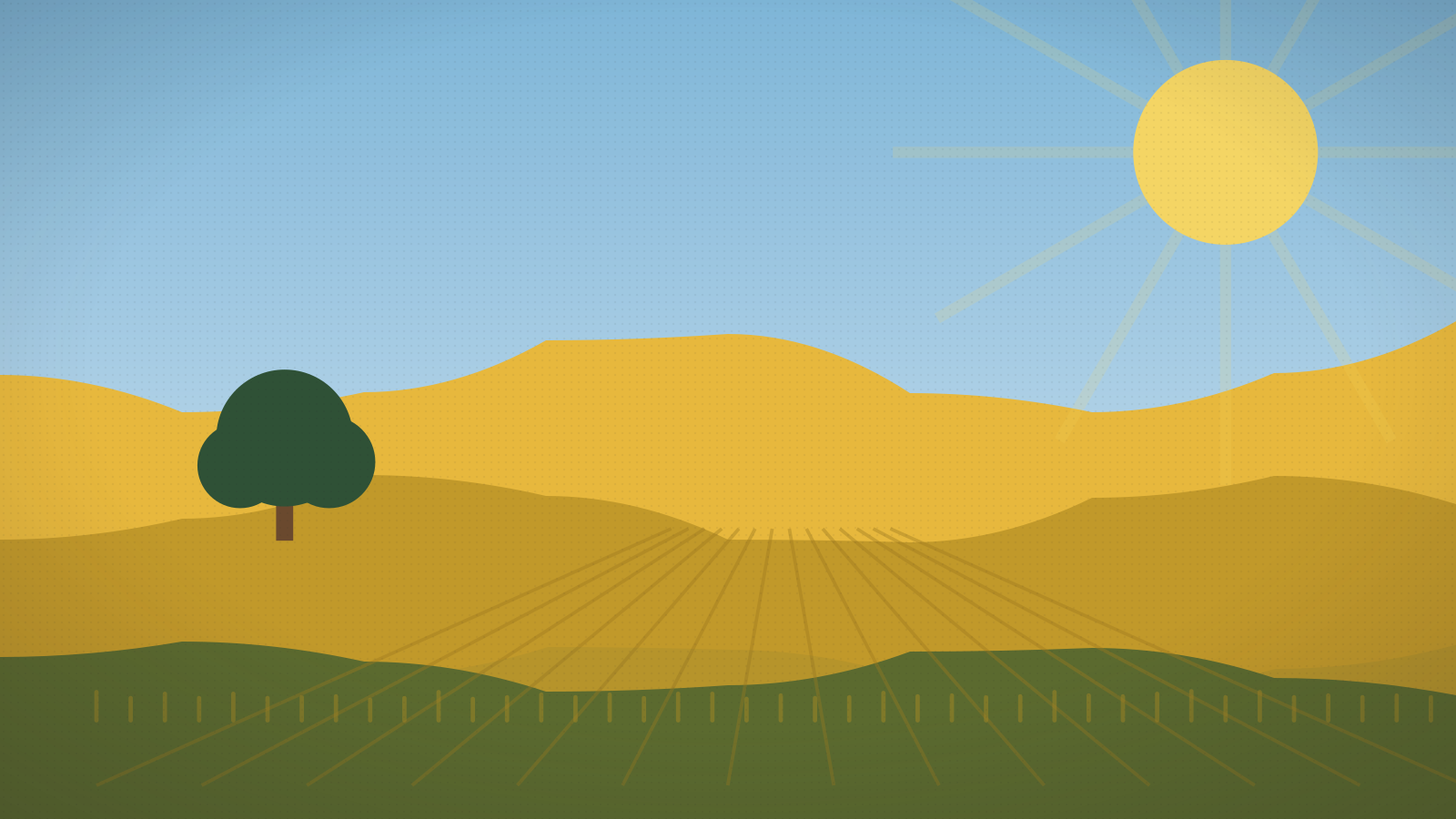
The field this comes out of, in the season it looks best. It does not look like this in February.
Watch it grow.
The field cameras run all year, including the eleven months when nothing happens.
What people actually ask.
The two questions this page gets most, answered without a support ticket.
The farming does not. It made a hundred and forty-four pounds in its first year and has rarely done much better. Everything else on this site exists because of that.
Because the worst ground costs more to crop than it returns, and because hedgerow, scrub and margin do measurable work that a combine never will.
Pestering, at your invitation
We named the newsletter after the imposition so that opting in means something. Unsubscribe in one click and we will not chase you.