
The Brash Tops.
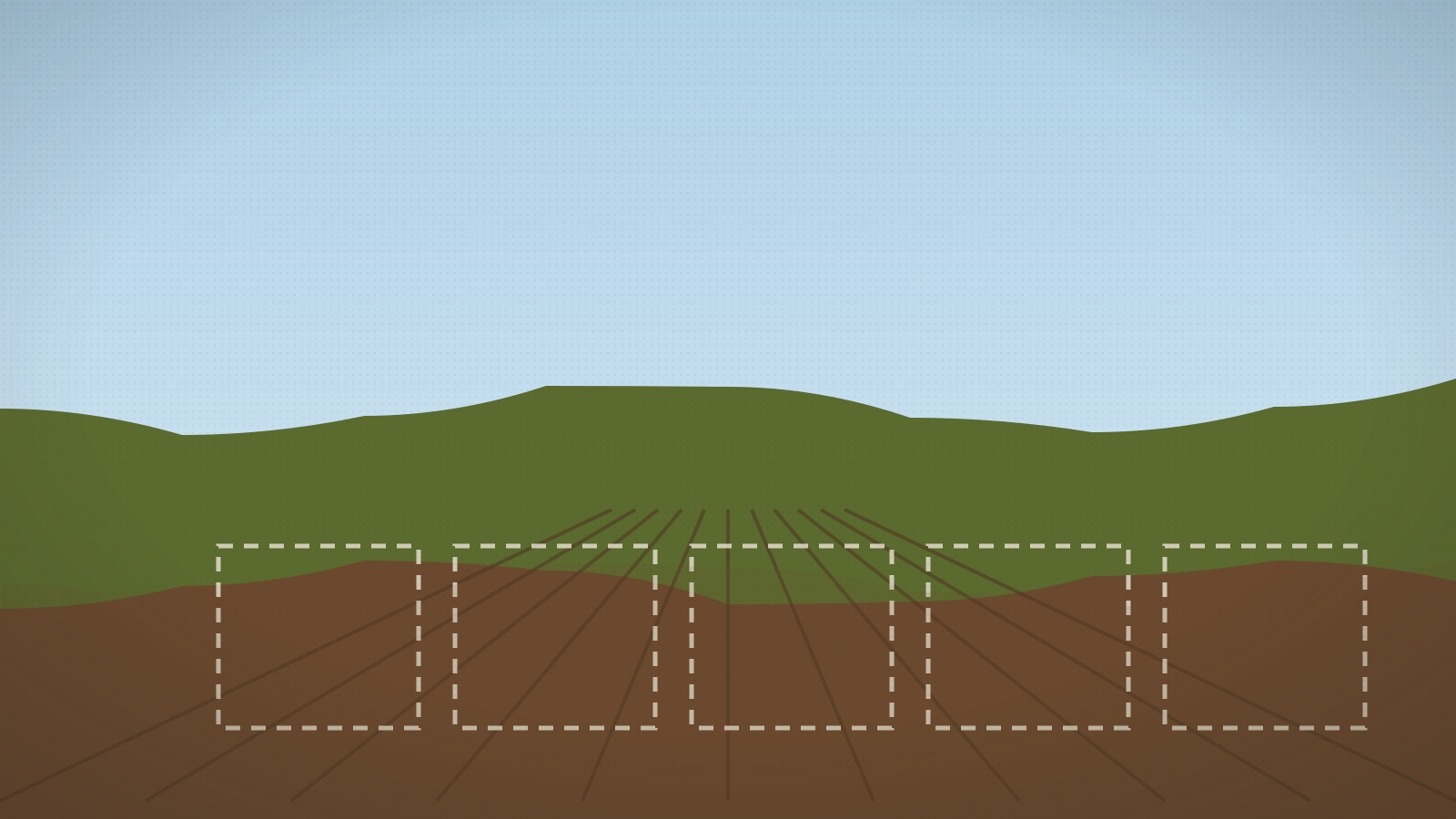
The high ground, where there is fifteen centimetres of stony soil over limestone and nothing to hold water. In a dry spring this is where the crop stops first and stops hardest.
- Position
- The tops, 220–230m
- Soil
- Brash, 15cm in places
- Usually
- Spring barley
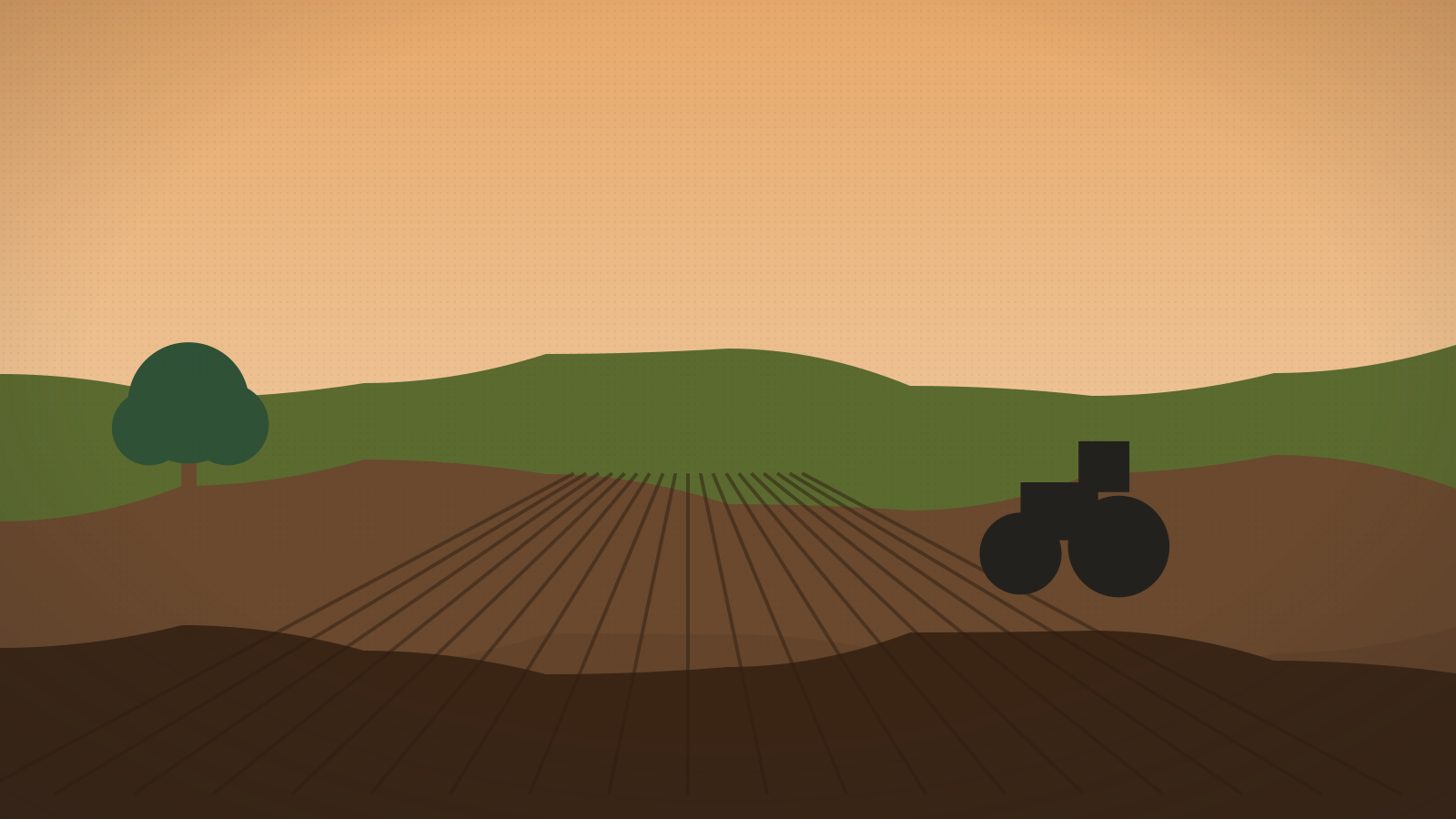
What this ground is like.
The high ground, where there is fifteen centimetres of stony soil over limestone and nothing to hold water. In a dry spring this is where the crop stops first and stops hardest.
Cotswold brash varies enormously within a single holding and sometimes within a single headland — sandy loam in one corner, blackgrass-loving clay in the next. That variability is the whole agronomic argument for variable-rate everything.
- Position: The tops, 220–230m
- Soil: Brash, 15cm in places
- Usually: Spring barley
- Verdict: Drought-limited, always
Soil
Brash, 15cm in places
Position
The tops, 220–230m
Usually
Spring barley
Verdict
Drought-limited, always
This field, in the season it looks best. It does not look like this in February.
The other fields.
Curdle Hill
Part of the original Sarsden estate holding, and the field the whole farm is measured against. Mid-slope, deeper than the…
The Bottoms
The valley ground. Heavier, wetter and the one place on this farm where drainage work genuinely pays for itself rather…
Blackgrass Corner
The heavier ground where blackgrass took hold years ago and has never fully let go. Later drilling, spring cropping and…
The Wildflower Ground
Taken out of production on purpose and sown with wildflowers. It produces nothing you can eat and is, on the…
The Barley Block
Roughly five hundred acres across several parcels, and the reason the brewery exists. Enough barley for about one and a…
The Hedged Margins
The strips the combine cannot reach and the hedges that bound them. Blackberries, habitat, scheme income, and Gerald’s life’s work…
Take one for a season.
Fixed price, paid once, produce delivered in kind.
What people actually ask.
The two questions this page gets most, answered without a support ticket.
The seasonal state at the top of every page is the short answer, and the farming year is the long one.
Not on foot, most of the year — it is a working farm with machinery in it. The cameras, the virtual walk and the footpaths are the honest alternatives.